• Skip to main content
  • Skip to primary sidebar

Eclectic Homeschooler

Homeschool Ideas for a Customized Education

Sarah

Picture Books About Cats for Children

May 23, 2020 by Sarah

Do you need some children’s books about cats for homeschool or just because your child loves cats? I’ve rounded up some must read picture books about cats that are great for toddlers and preschoolers.

Picture Books About Cats for Children

Cat Stories for Preschoolers

My 5 year old has shown a sudden interest in learning more about cats. So I decided to take a break from our currently scheduled unit studies to do a little mini unit study on cats.

I’ve already lined up lots of great cat activities (see a few of them here). But one of the things I really like to do with our themed units is to have a good selection of books to read from. My children learn so much through books and we love reading together.

A little tip… As you consider what books to include in your own unit studies be sure to include a mixture of fiction AND nonfiction. Even young children need to be introduced to nonfiction books and there are a lot of great picture book options out there for younger children too.  When I’m selecting books for a unit study I will try to make sure at least a third of the books are nonfiction because this is where our primary learning is coming from. And then adding in the fiction books are great for reinforcing a topic and making it even more engaging.

So I’ve broken down this list down into fiction and non-fiction so you can select several from each type as you build your own cat theme unit.


Fiction Picture Books About Cats


They All Saw a Cat by Brendan Wenzel
The cat walked through the world, with its whiskers, ears, and paws . . . In this glorious celebration of observation, curiosity, and imagination, Brendan Wenzel shows us the many lives of one cat, and how perspective shapes what we see. When you see a cat, what do you see?


Three Little Kittens by Jerry Pinkney
Young children all know the Mother Goose rhyme of the kittens who have lost their mittens, but they’ve never seen it illustrated with so much energy, beauty, and flair. Preschoolers will delight in these cuddly kittens as they frolic outside in the falling leaves, get their whiskers sticky while eating a just-baked apple pie, and do the washing-up under Mama Cat’s watchful gaze.


Pete the Cat: I Love My White Shoes by Eric Litwin
It almost seems like a list of picture books about cats would be incomplete without Pete! Who doesn’t love Pete? Well, if you haven’t introduced Pete the Cat to your preschooler then now is the time.

It’s about a cat named Pete who goes walking down the street wearing his brand-new white shoes. Along the way, his shoes change from white to red to blue to brown to WET as he steps in piles of strawberries, blueberries, and other big messes! But no matter what color his shoes are, Pete keeps movin’ and groovin’ and singing his song…because it’s all good.

This story is great because it not only gets you talking to your preschooler about colors, different foods, etc. but it also has a lesson about not letting life’s little hiccups slow you down and to find the good in every situation.


Splat the Cat by Rob Scotton
It’s Splat’s first day of school, and he’s worried. What if he doesn’t make any new friends? Nervous kitties wondering about friends and school will enjoy laughing along with Splat the Cat!

Just in case, Splat decides to bring along his pet mouse, Seymour, and hides him in his lunchbox. The teacher, Mrs. Wimpydimple, introduces Splat to the class and he soon starts learning all his important cat lessons.

But when Seymour escapes and the cats do what cats do (they chase mice!), Splat’s worried again. Maybe now he’ll lose all his friends, old and new! Just in time, wise Mrs. Wimpydimple takes charge and teaches everyone an important new lesson.

Maybe Cat School is going to be okay after all! A fun school story to share in the classroom or at home.


The Cat in the Hat by Dr. Seuss
Poor Dick and Sally. It’s cold and wet and they’re stuck in the house with nothing to do . . . until a giant cat in a hat shows up, transforming the dull day into a madcap adventure and almost wrecking the place in the process!


Captain Cat by Inga Moore
Captain Cat loves cats. In fact, he has more cats on his ship than he has sailors. On one voyage, he discovers a remote and lonely island where the little-girl Queen has never even seen a cat. When Captain Cat’s furry companions trounce the rats infesting the island, the Queen begs Captain Cat to trade her the cats for untold treasure. Does he? Could he? What happens next? Never fear, fellow travelers! The purr-fect solution is on the horizon — and is sure to satisfy both pet-lovers and adventurers.


If You Give a Cat a Cupcake by Laura Numeroff
If you give a cat a cupcake, he’ll ask for some sprinkles to go with it. When you give him the sprinkles, he might spill some on the floor. Cleaning up will make him hot, so you’ll give him a bathing suit . . .


Have You Seen My Cat? by Eric Carle
A little boy worries about his missing cat and travels to different places in search of his pet. The sturdy pages of this board book slide out to reveal the numerous feline counterparts–including lions, leopards, and tigers–the boy encounters along the way. It isn’t until the last page that he finds his missing pet—and receives a wonderful surprise!


The Cat Book by Silvia Borando
Who’s that, curled in a ball? Call out his name to wake him! Now turn the page and see him give a big stretch, waiting for you to pat him. Purr, purr, purr. Aww. But what’s that? Fleas! Quick, squish them with your finger! As this pampered cat’s day progresses, readers will have their hands full, acting as umbrella and towel and even clapping their hands loudly to save a bird . . . oh no!


Clifford’s Kitten by Norman Bridwell
Pangs of jealousy prompt Clifford, the big red dog, to compete for Emily Elizabeth’s attention when she takes in a stray kitten.


City Cat by Kate Banks
A plucky stray cat takes a Grand Tour in Kate Banks’ story of a family on a European vacation. As the family travels from one city to the next, the cat finds its own means–by bus, boat, train, truck, and bike–to tag along on the trip, visiting historic landmarks like Buckingham Palace and the Cathedral of Notre Dame along the way. Readers will pore over the spreads to find where City Cat is hiding in each city, and detailed back matter explains the history behind the sites in each locale.


Kitten’s First Full Moon by Kevin Henkes
It is Kitten’s first full moon, and when she sees it she thinks it is a bowl of milk in the sky. And she wants it. Does she get it? Well, no . . . and yes. What a night!


Cat Knit by Jacob Grant
This book is such a riot. I actually lol-ed. So cute! Cat and Yarn are the best of friends. They have so much fun playing together, the two are inseparable. Until the day Girl takes Yarn away. When Yarn Returns, he is completely changed, no longer Cat’s bright and jolly friend. Cat is mad! Soon, Cat begins to miss his best friend, and he just might realize that a little change isn’t so bad after all.


I Am A Cat by Galia Bernstein
A simple house cat named Simon encounters some bigger cats: Lion, Puma, Panther, Tiger, and Cheetah. Each of the big cats has something to say about Simon not being “cat” enough. According to them, he just doesn’t measure up. He doesn’t have Lion’s mane or Cheetah’s spots. He doesn’t sleep in trees like Panther or climb mountains like Puma. He’s small and fuzzy, not big and strong. But ultimately, Simon shows the big cats that he’s just like them . . . only smaller.


Sleepy Kittens by Cinco Paul and Ken Daurio (from Despicable Me)
If your family is a fan of the Despicable Me movies then your kids will get a riot out of this cat book because it’s featured in the movie. Three little kittens aren’t sleepy at all! One wants to jump, another wants to play, and the last wants a bite to eat. But after Mama Cat brushes their fur, gives them some milk, and sings them a lullaby, one, two, three little kittens drift off to sleep. With gentle, rhythmic verse, little ones will love to snuggle up with these soft, cozy kitties at bedtime.

[thrive_leads id=’282′]


Non-Fiction Children’s Books About Cats


DK Eyewitness Books: Cat by Juliet Clutton-Brock
See a jaguar swimming, a cat that can outrun a car, a leopard who lost his spots, and a black panther stalking its prey. Learn why cats need whiskers, how they purr, how the Manx cat lost its tail, and why a tiger is striped. Discover how cats communicate, how cats find their way home, why the black cat has been both persecuted and pampered, why they are said to have nine lives, and more. From domestic cats to the beasts prowling in the wild, Eyewitness: Cat looks at these beautiful mammals that are a part of our world.


DK Touch & Feel Kitten by Dorling Kindersley
Although this is more for babies, toddlers and preschoolers still love touch and feel books! Plus, I needed a book for my 7 month old to enjoy too. 🙂 Fuzzy kittens prance, play, and lick their fur on the pages of this fun first book for babies and toddlers. True to its name, Touch and Feel Kitten makes words like silky, rough, smooth, and scratchy come to life for your child as her fingers stroke a cat’s silky chest, feel a rough pink tongue, and touch other interesting textures.


The Everything Book of Cats and Kittens by DK
Everything a child wants to know about cats and kittens, from breeds, features, pet care, and grooming, to discovering how their cats communicate with us and one another. Learn what cats are showing by their body language, know where they wander off to outside, and what they are trying to say to you. Discover the secrets of the playful and curious characters of these amazing pets in this fun, lively book. Packed with wonderful pictures and adorable cat facts, Cats and Kittens takes you into their fascinating world. Find out about the individual features of different breeds and how to take the best care of them, and be amazed by their intelligence and agile antics.


See How They Grow: Kitten by Jane Burton
Nice clean photographs on plain white backgrounds really make this one pop. The book shows the development of a kitten from birth to ten weeks old. This entire series is great for showing how different animals grow from babies to adults. I’d recommend finding the white background hardcover options though. The paperback ones are a little too busy and distracting with the backgrounds.


Ultimate Sticker Book: Kitten: More Than 60 Reusable Full-Color Stickers by DK
This one starts off as a sticker book but if you help your child put all the cats in the right places then it has a lot of interesting information about cats in it too. It’s a fun way for kids to learn about kittens in a hands-on way. See them play, snuggle, and cuddle. They’ll learn fascinating facts that include information about breeds, how to take care of a kitten, and what to do if you find a stray.


National Geographic Readers: Cats by Joan Marie Galat
This series of books are really great non-fiction books for kids. They feature gorgeous bright and glossy pictures and lots of interesting information. In this one about cats, your child will learn all about cats from house cats to big cats, readers will learn all about their favorite furry felines.

[thrive_leads id=’282′]


Enjoy These Cat Stories for Preschoolers

Of course many of these children’s books about cats can be read to children other than preschoolers but these ones are great for preschoolers. They are also great cat books for toddlers if you have a toddler that loves to read with you too.

Filed Under: Animals, Book Lists, Themes, Themes Tagged With: Cats

Cat Activities for Kids

May 22, 2020 by Sarah

Looking for cat activities for kids? Well look no further. Here you’ll find all kinds of activities, cat crafts for preschoolers, and cat games for kids. It’s all the cat-tastic fun you’ll need for your cat theme homeschool unit for toddlers to 3rd grade (with a few activities great for older kids too).

Cat Activities for Kids

For the past several months we’ve been doing weekly themed unit studies with my 2 and 5 year old. They are absolutely loving doing these. We went through several winter animals during the winter and then this Spring we’ve had a different Spring topic each week like seeds, rain, butterflies, bees, etc.

I love doing themed unit studies with my kids because I feel like they get so much more out of it and learn so much more about whatever topic it is. And the ideas are endless. It’s such a fun way for them to learn while having fun.

But in the midst of my awesome Spring unit study plans my 5 year old randomly requested to spend a week on a cat theme. Cats. Hey, who am I to hinder my child’s learning. If he wants to learn more about cats, then by golly we will learn all there is to know about cats. I’m not particularly interested in cats. I don’t dislike cats, but it’s just not an interest of mine. But hey, who knows, maybe he’ll be the greatest cat veterinarian who ever lived one day. I can’t stand in the way of that.

So I’m in the midst of planning a week of learning about cats. And even though it’s not the topic I would choose, this is one thing I LOVE about homeschooling. I love that I can tailor what we are learning about to my child’s interests.

Interest led learning is so important because when kids are interested in something they are so much more primed to learn. Plus, if they are showing an interest in something in particular, it might just be for a reason. They might be working on making some kind of connections in their minds and as a homeschool parent it’s important to take full advantage of those learning opportunities.

So cats it is.

As I was searching for cat themed activities, here’s a few good cat activities for kids that I came across. Most of them are great for toddlers through 1st grade. Plus a few of these are good for older kids too. So if you’re doing a mini unit on cats, I’ve got you covered. 😉

Cat Games and Activities for Kids

Cat Matching and Memory Game
1. Cat Matching and Memory Game
Kawaii Cat Themed Activities
2. Kawaii Cat Themed Activities
Cat and Dog Bingo Game
3. Cat and Dog Bingo Game
Printable Cat Activities and Crafts
4. Printable Cat Activities and Crafts

1. This adorable cat matching game can also be used as a memory game too. And the cat graphics are just too adorable with all different sized, shaped, and colored cats to enjoy. Sunny Day Family

2. Here is an entire pack of kawaii cat themed activities that covers a range of basic skill concepts for preschoolers such as cutting, counting, visual discrimination, and more.  Miniature Masterminds

3. Let the dogs make an appearance in your cat unit with this free cat and dog bingo game. Make it even more fun by using cat and dog shaped erasers (like these) for the bingo chips. The Inspirational Edit

4. Get creative with these fun printable cat activities and crafts. Among them include a Pete the Cat bingo game, step-by-step instructions for how kids can draw different cats, a square cat craft, and more. Printables Fairy

Safari TOOB Cat Matching
5. Safari TOOB Cat Matching
Cat Whisker Lacing Activity
6. Cat Whisker Lacing Activity
DIY Feed the Cats Game
7. DIY Feed the Cats Game
Cat Color by Number Page
8. Cat Color by Number Page

5. Pick up the Safari TOOB for Domestic Cats or Big Cats and match them with these three part cards for Domestic Cats or Big Cats. Montessori Nature

6. Have your preschooler practice their fine motor skills while helping these funny felines get their pipe cleaner whiskers back with this cat whiskers lacing activity. Your Therapy Source

7. Enjoy some pretend play as your preschooler helps to feed all of the cats with this simple DIY feed the cats activity. Source Unknown

8. Have your preschooler learn number recognition while practicing staying in the lines as they color this cute cat color by number page. My Teaching Station

LEGO Cat Building Instructions
9. LEGO Cat Building Instructions
Pete the Cat Glue Practice Worksheet
10. Pete the Cat Glue Practice Worksheet
C is for Cat Letter Craft
11. C is for Cat Letter Craft
Cat Fish Bowl Color Sorting
12. Cat Fish Bowl Color Sorting

9. These cute and playful LEGO cats are sure to please your older kids as you work your way through your cat unit. Includes full instructions for building your very own LEGO cat (or cats). Frugal Fun 4 Boys

10. Practice gluing with Pete the Cat in this simple free Pete the Cat gluing practice worksheet. You can even have your child add little buttons to match the colors of the buttons in the Pete the Cat and His Four Groovy Buttons book. And remember, just a dot to fill the spot! It’s all good! Dawn King

11. Get crafty while learning the letter C with this cute C is for Cat letter craft. It’s always a great time to talk about letters with your preschooler, even in the midst of themed unit studies. Meow! The Teaching Aunt

12. Practice sorting colors with your preschooler as you do this fun cat fish bowl color sorting activity. This pack also comes with lots of other fun pet activities too. Karen Cox

Feed the Cat Activities
13. Feed the Cat Activities
Cat Coloring Pages
14. Cat Coloring Pages
Cat Mask Templates
15. Cat Mask Templates
Cat Body Parts Worksheet
16. Cat Body Parts Worksheet

13. Teach all kinds of preschool concepts such as letter sounds, color words, shapes, counting, and more with this huge pack of versatile feed the cat activities. Your preschooler is sure to have fun with this one! Lodrew’s Hands-On Learning

14. Let your preschooler pick out their favorite coloring page from one of these many cat coloring pages. Then pick out your favorite and color them together. Super Coloring Pages

15. Pretend to be playful cats with these cute cat mask templates. Have all sorts of adventures that you think kitty cats have all day. And yes, cat naps must be included in the agenda. 😉 Itsy Bitsy Fun

16. Don’t let your preschooler have all the kitty cat fun. If you have older kids you can get more in depth on the science side of things with this cat body parts worksheet. ESL Printables

Printable Cat Activities for Toddlers to 3rd Grade
17. Printable Cat Activities for Toddlers to 3rd Grade
Cat Unit Study Activities Pack
18. Cat Unit Study Activities Pack
I Spy Cats and Dogs Activity
19. I Spy Cats and Dogs Activity
Customizable Create Your Own Feed the Cat Game
20. Customizable Create Your Own Feed the Cat Game

17. This printable cat activities pack has a wide range of adorable cat themed activities for toddlers through 3rd grade. Lots of great literacy and math activities in this one. Royal Baloo

18. Expand your cat themed activities to a full blown unit study for your older kids with this cat unit study pack. It includes things for handwriting, cat recognition, and learning lots of cat facts. 1Plus1Plus1Equals1

19. Exercise those mad visual discrimination and counting skills with this adorable I Spy Cats and Dogs printable. And if your little one loves I Spy games then try laminating this one to do it over and over again. And Next Comes L

20. Target specific skills while having loads of fun with this customizable create your own feed the cat activity. Simply write your own text on the fishes after downloading, print, and enjoy! Ms Gardenia’s Speech Room

C is for Cat Handwriting Pack
21. C is for Cat Handwriting Pack
Cat and Mice Number Matching Game
22. Cat and Mice Number Matching Game
Cat Word Search Puzzle
23. Cat Word Search Puzzle
Cat Quantity Puzzles
24. Cat Quantity Puzzles

21. Help your child practice their handwriting with this C is for cat handwriting pack. It includes six handwriting pages with cute cat graphics to set the kitty-cat-writing mood. 🙂 Only Passionate Curiosity

22. If your preschooler is ready, help them to practice number sense (or recognizing numbers in different representations) with this clever cat and mice number matching game. Math Skills 4 Kids

23. Have an older child that you want to include in on the cat-tivities? Why not give them this fun cat word search to do. They can work out those brain muscles as they admire the adorable cat playing with a yarn ball. Aww. Puzzles to Print

24. These simple and fun cat quantity puzzles will help your preschooler with number recognition, counting, and logic. Plus, they have cats on them! Eeeee. Prekautism

Cat Emergent Reader Book
25. Cat Emergent Reader Book
Cat Preschool Pack
26. Cat Preschool Pack
Cat Connect the Dots Worksheet
27. Cat Connect the Dots Worksheet
Tissue Paper Cat Paper Plate Craft
28. Tissue Paper Cat Paper Plate Craft

25. A beginning reader in the family will love this cute and educational printable cat emergent reader book. It introduces the very simple sight word “a” and also includes some writing practice sheets. Fluffy Tots

26. Have you had enough cats yet? I hope not! Because this free cat preschool pack has lots of great little printables including printables to focus on the letter C, patterning, colors, counting, and more. 1Plus1Plus1Equals1

27. Practice pre-writing skills as your child learns number recognition with this simple and yet effective cat connect the dots worksheet. Day Care Worksheets

28. Round out all the activities with a fun black tissue paper cat paper plate craft inspired by Eric Carle’s book, Have You Seen My Cat. It’s got everything a preschooler could want in a craft: cutting, gluing, pipe cleaners and sticky fingers! Plus…cats! Glued to My Crafts Blog


You asked for cat activities for kids!

And boy did I deliver for you. There’s plenty of fun cat theme activities here to last you for awhile. I know we’ll only be spending a week on cats and this is more than enough ideas for us to try. I hope you enjoy them too!

And if you need any more ideas for your cat theme like ideas for cat books, cat crafts for preschoolers, more cat printables, etc. then be sure to check out my other posts about cats here.

Did I miss any fun cat games for kids or other cat theme ideas? Let me know in the comments below your favorites!

Filed Under: 1st Grade, 2nd Grade, 3rd Grade, Animals, Family (Multi-Age), Kindergarten, Pre-k, Preschool, Science, Themes, Toddler, Unit Studies Tagged With: Cats

Letter J Crafts for Preschool

May 21, 2020 by Sarah

Incorporating letter J crafts for preschool can really help to round out your letter of the week program. They are also a great way to re-enforce letter recognition and letter sounds through crafts that feature words starting with the letter J.

You and your child will have so much fun working on your favorite letter J preschool crafts from the list! There are sixteen crafts here that feature sixteen different letter J words.

Letter J Crafts for Preschoolers

Letter J Preschool Crafts for Letter Recognition

This selection of letter J crafts feature the shape of the letter J (uppercase or lowercase) so that you can help teach letter recognition as you craft with your preschooler.

J is for Jellyfish Craft
1. J is for Jellyfish Craft
J is for Jellybeans Craft
2. J is for Jellybeans Craft
J is for Jaguar Craft
3. J is for Jaguar Craft
J is for Jet Craft
4. J is for Jet Craft

1. When you think of J, what’s the first thing you think of? Why jellyfish of course! Well, maybe it’s different for you. But it’s the first thing that pops into my head at least. And this adorable wiggly pink letter J is for jellyfish craft will have your preschooler all wiggly and giggly. All About Learning Press

2. Develop a taste for the sweet life with this simple and yet fun J is for jellybeans letter J craft. Just be prepared for a case of the missing jellybeans when your little one discovers how yummy their craft tastes. The Kindergarten Connection

3. Take a ride on the wild side with this fun letter J is for jaguar craft. It’s orange and spotted with a long pipe cleaner tail. And it’s oh-so-cute (oops I mean scary — rawr). 😉 Kids Activities Blog

4. Let your child’s imagination take flight with this cute letter J is for jet craft. Not only is it cute, but it comes with a template to make your life easier! Yay! My Teaching Station

J is for Jewels Craft
5. J is for Jewels Craft
J is for Juice Craft
6. J is for Juice Craft
J is for Jeep Craft
7. J is for Jeep Craft
J is for Juggle Craft
8. J is for Juggle Craft

5. Give your day some sparkle and pizzazz with this simple and fun letter J is for jewels craft. This would be great for gluing practice if you’re brave enough, or opt for the sticky-backed jewels if not. Don’t worry, I get it. 😉 School Time Snippets

6. This unique J is for juice craft comes with a printable template and it’s oh-so-refreshing! Your preschooler will love assembling and pretending to drink their letter J glass of juice. A Little Pinch of Perfect

7. If your preschooler is into vehicles, then they’ll love this adorable J is for jeep craft made with craft foam. It comes with a template so they can help make the jeep out of foam (depending on their cutting and gluing skill levels). Our Kid Things

8. Has your child ever seen someone juggle? If so, they will love this sweet juggling J is for juggle craft. While you do this one, sneak in a lesson about shapes by talking about what shape the balls are. Imaxinaria


Other Letter J Crafts for Preschool

This selection of letter J crafts features crafts for things that start with the letter J. These are great to help talk about the letter J sound as you craft as well as helping your child to associate the letter with an actual word.

Jaguar Paper Plate Mask Craft
1. Jaguar Paper Plate Mask Craft
Jacket Paper Pasting Craft
2. Jacket Paper Pasting Craft
Jam (or Jelly) Paper Sandwich Craft
3. Jam (or Jelly) Paper Plate Sandwich Craft
Jack-in-the-box Craft
4. Jack-in-the-box Craft

1. If your child loves big cats, then allow them work out their imaginations as they express their creativity with these adorable jaguar paper plate masks. They’ll have a roaring good time! JDaniel4’s Mom

2. Get some gluing practice in as your preschooler decorates these adorable little jackets in this jacket paper pasting craft. Let them choose the colors they love best as they decorate their J is for jacket craft. The Teaching Aunt

3. Have your preschooler help to make “lunch” with this super simple but oh-so-cute paper jam (or jelly) sandwich craft. Just make sure they don’t really try to eat this one like the jellybeans! Fun Family Crafts

4. Need some giggles? This colorful and bouncy Jack-in-the-box craft will have your preschooler smiling from ear to ear. Teachable Moments

DIY Jungle Jeep
5. DIY Jungle Jeep
Jump Rope from Straws Craft
6. Jump Rope from Straws Craft
Baby Jesus in a Manger Craft
7. Baby Jesus in a Manger Craft
Jupiter Mosaic Craft with Beans
8. Jupiter Mosaic Craft with Beans

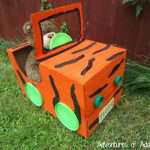
5. You’d be just about the coolest mom on the block if you let your child help you build this awesome DIY jungle jeep from a cardboard box to play with. Adventures and Play

6. Make a craft and then burn some energy with this colorful DIY jump rope made from straws. This also doubles as a great fine motor activity and if you let your child help you cut the straws great cutting practice too! And Next Comes L

7. It’s always a good time to share the good news of Jesus with your children. Take a crafty moment to talk about the birth of Jesus and what that means for us with this adorable printable baby Jesus in manger craft. Kids Craft Room

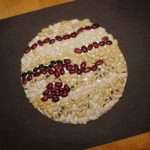
8. Get out of this world with this creative Jupiter mosaic craft made with beans. It’s a great opportunity to talk about the planets and what makes Jupiter in particular so cool. The Crafty Classroom


Enjoy These Letter J Preschool Crafts!

I hope you enjoyed this list of letter J crafts for preschoolers! If I missed any good ones be sure to share them in the comment. And let me know which ones you and your child tries and loves.

Filed Under: Alphabet, Art, Phonics, Subjects Tagged With: Letter J

How to Start Homeschooling

May 20, 2020 by Sarah

So here you are, asking yourself how to start homeshooling. Perhaps you’ve already done some research but you still feel stuck on how to homeschool. You’ve read a thousand and one homeschooling 101 articles but you still feel so lost with how to get started homeschooling. Where do you begin?

How to Start Homeschooling

Homeschooling 101: How to Get Started Homeschooling

I remember when we first started looking into homeschooling before my first child was even born. My husband and I had already come to the conclusion that this was the right move for our family but we didn’t know where to start. It was overwhelming to think about how to even begin. I didn’t go to college to be a teacher. What if I forget to teach him something? What if I miss something? What if I’m not good enough to teach him? How do I know which curriculum to choose? What if I choose the wrong one?

Now, that we’ve been homeschooling for a little while I’m more at ease because here’s a little well-known secret: kids area ALWAYS learning and you really can’t screw it up.

I can tell you without a doubt that homeschooling is a lifestyle. But it doesn’t have to be complicated either. It can be as simple or as complicated as you make it. And there is no right or wrong way to go about it. Every teacher, every family, and every child is different. And the beauty of homeschooling is tailoring your child’s education to fit you, your family, and most importantly your child.

But while your journey along the way might look different than mine, getting started requires some of the same basic steps no matter who you are. And so I’m here to share with you a simple and straightforward list on the very basics on how to start homeschooling.


1. Pray

I’m a Jesus follower and believer in following the leading of Almighty God. I’m not perfect at it, but with such a huge step as this it’s important to enter into it prayerfully.

So take some time to pray. Talk to God about what’s been laid on your heart in regards to homeschooling, and be patient for the answer. If your child is young then you still have time to pray and consider your route. And if your child is still in the middle of their school year (or you’re in the middle of summer break) then take this time to pray and seek God’s wisdom about the school year to come.

If you’re in a situation where circumstances have forced you to start homeschooling, then give yourself the liberty to take a little time to get your bearings. Don’t worry about having everything figured out by tomorrow. Just allow your child to have some time off while you pray and research homeschooling more. They will be okay without any formal schooling for a few weeks, and they might just need a little break too.


2. Get Inspired and Motivated

Depending on your situation, this might have been what prompted your question on how to homeschool. It was probably where you journey began with. But if you’re just starting to look into homeschooling, then I would strongly suggest finding inspiration and motivation as you begin your homeschool journey.

Take some time to dream about what your ideal homeschool life with your children would look like. Browse around Pinterest for fun homeschool ideas and tips, bookmark some good homeschool blogs that you can come back to later.

One of the things that really inspired and motivated me when I was just starting out was looking at other homeschool family’s routines and schedules. This helped me to see the reality of a daily life as a homeschooling family. It also helped me to realize that everyone is different. Because for every homeschool routine out there, there will be a hundred different ones. Every family is different and what works for one might not for another. It’s all trial and error and we are all continuing to learn along the way. The sooner you accept that, the more at peace you will be with exactly where you’re at in your homeschool journey.

So find some motivation. Whatever that may look like for you, get excited about homeschooling your child!


3. Learn About The Legal Requirements in Your State

Homeschooling looks different in every state. Some states require that you notify the school district that you’ll be homeschooling your child. Some will require that you turn in samples of your child’s work on a regular basis and take state testing each year. While other states don’t require you to do anything when you start homeschooling. There are states on all ends of the spectrum.

So it’s important to look into exactly what’s required of you from your state in order to start homeschooling. I recommend looking into your state’s homeschool requirements directly on your state’s website. However there are a few great resources that help to break it down a little more simply for you. In particular I think the Time4Learning website has a great overview of state requirements for each state. I also love how the HSLDA has laid out the requirements for each state here.

Once you’ve nailed down exactly what your state requires, you can move on to the fun part — the planning! 🙂


4. Get Educated on Educating

Now that you have a list of requirements based on your state, you might have a little bit more of a direction on what to do next in your homeschool planning. But no matter how strict or loose your state’s guidelines are, it’s good to know what your child should be learning each school year. What are the general guidelines and recommendations?

As you’re homeschooling your child you want to makes sure they’re getting a full and well-rounded education. While that process will look differently for everyone, knowing what they should be learning is a good guideline and framework that you can follow as you select curriculum and activities to do in your homeschooling.

There are a ton of great books and websites where you can learn what your child should learn for each grade. But the three that stand out as being the most helpful are Home Learning Year by Year by Rebecca Rupp, What Your Child Needs to Know When by Robin Sampson (Christian Perspective), and The Well-Trained Mind by Susan Wise Bauer and Jessie Wise. I wouldn’t say you should get all of your information from just these several books alone. But they are great starting points.

The What Your Child Needs to Know series also includes a book for each grade that gets into more specific details which is helpful. I’ve linked to a few of them below for you to check out.


5. Find Your Homeschool Style

I’m going to preface this section by saying that it’s important for you to realize that your homeschool style can (and most likely will) change over the years (and even months or weeks), and from child to child. Plus, as you go through this journey you will better come to understand what you like and don’t like and what works for you, your family, and each of your children. But it’s good to have a starting out point.

So as you learn how to start homeschooling you’ll want to think about what kind of homeschool environment you want to create for your family. Do you want to model a traditional school room? If so, you might just favor a Traditional homeschool method. Or would you like to place a bigger emphasis on literature and learning through reading books? If so, you might want to look into the Charlotte Mason homeschool method. Or, you might like a combination of all (or most) of the various homeschool methods, which would be called Eclectic (or Relaxed) homeschooling.

Now, you might get to this step and feel stuck. What’s your homeschool style? What’s your preferred method? You might not know until you try something. And that’s okay. But it’s a good idea to look at an overview of what each method entails so you can determine what you think would work best for your family from the get go. Then you can steer towards curriculum and activities that will fall in line with your style and avoid the things that just won’t work for you.

Here’s a real life example. My five year old son is SO SMART. He picks up on things and learns so easily. But you know Tigger from Winnie the Pooh? Yeah, that’s him. He is just bouncing off the walls. All. the. time. He would absolutely detest if I sat him down in a desk for 3-6 hours a day. He would not learn anything. But he does splendidly with hands on activities and he even loves to sit down and be still for books despite his bouncy demeanor — who woulda’ thunk it!  But I have to be careful with what I expect of him. Even though a nice neat little curriculum filled with worksheets might sound nice (and work for some kids), it will not work for him.

And while this is the kind of thing that you grow to understand more as you get deeper into your homeschool journey, for now think about your child’s personality and your personality and try to find a method that you think will work for both of you. If it doesn’t seem to be working out then don’t be afraid to change it — even if it’s midway into the school year. Don’t spend the whole year on a curriculum or style you or your child hates. Find the joy in homeschooling and don’t be afraid to change things up if needed.

Homeschooling Methods

All of that being said, let’s get an idea for what the various homeschool methods are so that you can research them a little more. If more than one stand out to you then by all means mix-and-match (that’s my favorite thing to do).

Here is a list of the seven core homeschooling methods at the moment:

  1. Traditional Homeschooling
  2. Classical Homeschooling
  3. Charlotte Mason Homeschooling
  4. Montessori Homeschooling
  5. Homeschooling with Unit Studies
  6. Unschooling
  7. Eclectic Homeschooling

There are also a few other lesser-known methods such as Waldorf, Roadschooling, and Worldschooling. There are lots of great articles about the different homeschooling methods. TheBestSchools.org has a great overview of each one here. And I like how Time4Learning gets more in depth with each of the methods here.

I can’t stress enough that there is no right or wrong choice here. And you don’t even have to fit yourself into one of these neat little boxes. That’s why I love being an Eclectic Homeschooler!

Because I absolutely love reading living books with my children to learn about all kinds of things (Charlotte Mason). But I will typically pick our living books based on the Unit Studies I put together for various different topics that we want to get more in depth with (Homeschooling with Unit Studies). I will even put together Unit Studies based on my child’s interests (Unschooling). And I love incorporating Montessori-inspired trays into our Unit Studies as well as to help teach them valuable life skills (Montessori). But when it comes to math and phonics, guided primers and worksheets seem to work out the best for us (Traditional Homeschooling). So as you can see, in our day-to-day homeschool we incorporate no less than five different homeschool methods into our education as a family. And that’s okay. It’s a tailor-made style to fit us.

So take some time to consider what style might fit best with you, your family, and your child. But don’t get stuck here. It’s just a guideline so you can better understand what curriculum and activities you should steer towards as you plan out your homeschool.


6. Talk to Your Child

Before we get to the planning stage it’s a good idea to take some time to talk to your child about what’s happening. If they are old enough, share with them why you’re considering homeschooling them. Address their thoughts and concerns. And now would be a great time to gauge how they think they could make school better. Let them in on the planning process and take notes of what they’d love to see in their school, what they don’t like, and so on. Really listen to these concerns if they’re willing to share them because you can shape your plan around what they like best and make it easier and more enjoyable for everyone!

If your child is young and they’ve never gone to regular school then this step will be easier. Just tell them that you’ll be starting homeschool soon, build it up, and get them excited for starting soon and getting so big!


7. Make a Plan

Finally for the fun part! Well, it can honestly be quite overwhelming when you’re just getting started. But it doesn’t have to be. Once you have a list of the subjects and concepts your child needs to learn you can start researching curriculum and/or put together your own plan for the school year.

As with choosing a homeschool style, don’t think that once you make a decision it’s set-in-stone. Plans can change, curriculum can be switched out, etc. How your homeschool looks today is not how it’s going to look next year, or even next month. As you get started a lot of changing and adjusting will happen until you get into the right groove for you.

Plus your homeschool will look different in different seasons of your life. Like when there’s a new baby in the house, or when your children get older and can help out with younger children more, etc.

So there’s no right or wrong answer here. But I would like to make a few recommendations.

Brainstorm Your Requirements

Before you get into choosing curriculum, books, and activities, consider your requirements for homeschooling. Take into consideration the laws for your state, but also consider your own morals, values, and beliefs as you move forward. You want to be teaching material that you believe in and since this is your school room, you can decide what makes the cut and what doesn’t.

So take some time to think about your wishlist for the “perfect” curriculum. You might not be able to check all the boxes, but as long as the important ones are checked you can adjust the curriculum to fit your other requirements if needed.

Consider a Boxed Curriculum to Start

Unless you have a background in teaching and are the queen of planning, starting off homeschooling with (basically) creating your own curriculum can get overwhelming very quickly. And while it’s something that’s really fun once you get into your homeschool groove, it’s not something you have to start off doing; and it might just be a stumbling block for you to continue.

So instead consider using a pre-built curriculum at least for a framework. You don’t have to stick to it line-by-line (unless that works for you). But it’s good to have a structure with which to build the rest of your school around and expand upon with additional activities.

Whether you use an all-in-one curriculum or pick a curriculum for each subject separately is up to you and depends on the age of your child as well. For preschool there are a lot of great all-in-one curriculum options. But if your child is older then a standalone math and phonics curriculum might be a smart idea.

Either way, it’s my belief that when you’re just starting to homeschool, figuring out what to teach shouldn’t hold you back. Instead find a framework that you believe in and can stand behind that can guide you along the way.

I’m not going to go over your choices for curriculum here. There are too many to list in this post. Perhaps in another post I will get more in depth on that. But for now, Pinterest and Google are your best friends! Start searching for reviews and lists of curriculum based on your requirements.

Write Down Your Plan for Each Subject

Now take some time to make a list of your plan for teaching each subject. Write down which curriculum you plan to use or if you plan to teach that subject through living books, etc. The idea here is to get an overview for what you plan to do. Then you can go in later and get more detailed as you go.


8. Think Outside “The Plan”

Now even though you have a “plan” don’t think that you have to stick with it to the letter. Remember that children are always learning — even when they’re playing! Start looking for opportunities to make everyday moments into teaching moments. Think about how you can teach potentially boring subjects in a more fun way. And give yourself the liberty to step outside of the box when it comes to learning. Kids learn best when they’re having fun so take advantage of that.

Here are some great examples of extra fun ways to teach in your homeschool:

  • Have a field trip each week related to what you’re learning about that week
  • Learn letter sounds and phonics through games like Alphabet Island and the series of POP games for letters, blends, word families, and sight words.
  • Re-enforce money values by bringing cash to the store to pay for your food and have your child pay the cashier.
  • Teach geography with games like The Scrambled States of America or the Augmented Reality Interactive Globe for Kids.
  • Take a nature walk and identify trees by their leaves with this fun Fandex Family Field Guide for Trees.
  • Watch a documentary about a topic you’re learning about.
  • And so on…

The more you do this whole homeschool thing, the more you’ll search for and find learning opportunities all around you. Make it fun for you and your children by giving yourself (and them) the freedom to learn from more than just a textbook. By doing this you will create lifelong learners who love to learn and grow in the knowledge of the world around them.


9. Gather Your Supplies

Now here’s a little warning about homeschooling — it can take over your entire house! But think about it this way. You are not just a home, but a school; and a school building has all sorts of learning tools at their disposal. So when school stuff starts sneaking out of the homeschool room, don’t get discouraged, just realize that having materials for your homeschool is just plain a necessity. It’s going to happen.

Having said that, I’m not saying that you have to spend of fortune in order to start homeschooling. You most certainly could spend a fortune. But you don’t have to.

Have a look at your specific curriculum choices to see if there’s any particular supplies that you need for them. There are also a few things that I would consider essential supplies that will help you to homeschool more than anything else.

Library Card or Other Means to Acquire Books

As I’m writing this we are in the midst of COVID-19 and we don’t have access to our library. And boy is our bank account missing it! Because we’ve been buying all of the books we need for our unit studies and it hasn’t been cheap, even though I typically will only buy used books from eBay, Thrift Books, or Amazon.

And while it’s nice to be building up our homeschool library a bit, it’s also nice to have a free local library at your disposal. And if you have a good library, especially if it’s a library in a network of other libraries, then you have a wealth of resources at your fingertips. Take advantage of it.

And the best part? It’s free!

If you don’t have access to a library then you’ll need to find other means to acquire books. Whether that’s from local thrift stores or from friends, that would be great. But if you have to buy books I highly recommend searching on eBay or Thrift Books first. If they don’t have what you need then Amazon is usually the best in price when it comes to new books.

Printer and Paper

The next essential is a printer and paper. There is quite literally a plethora of fun activities at your fingertips for you to print out. My favorite places to find activities are either through Pinterest (lots of free activities on there) or on Teachers Pay Teachers.

So get yourself a good printer and some paper. I decided to go ahead and invest in a nicer printer (this one to be exact) and learned how to refill the ink cartridges on my own. And boy has it saved me a ton of money. Yes, it was a more expensive printer, but now that I have it, it makes printing out activities extremely cheap when you break it down (and I have). Ink costs next to nothing since I fill it on my own (like I literally spend about $23/year on ink, that’s it).

As for paper I have a variety of papers on hand from standard printer paper, to slightly nicer paper that prints double-sided better, and then of course some cardstock for flashcards and things I want to be more durable.

This will easily pay for itself in the amount of amazing activities you’ll be able to set up for your child for free or cheap. It’s worth it, trust me.

Laminator and Laminating Pockets

While I suppose you don’t need a laminator, I’m going to argue that it is essential. And here’s why. Laminating the things you print out makes them more durable and last longer, it allows you to re-use worksheets by using them with dry-erase markers instead, and it gives you the ability to create pages and binders that utilize velcro which makes the activities more engaging and interesting to kids.

I have been using the same $20 laminator for almost six years and it’s held up well to weekly, if not daily, use. It’s worth it.

For laminating pockets I recommend sticking with Scotch brand. I’ve tried off brands and the problem with them is that if you cut them after they’ve been laminated then they will often peel. Even though Scotch is more money, they are good quality and will hold up to cutting and long time use.

Writing and Coloring Utensils

There are mountains of different craft supplies you could buy and lots of things I still think are great to have on hand. But if we’re talking about just the bare minimum to get started, just make sure you have some regular pencils and pens, colored pencils, crayons, washable markers, and dry-erase markers. This way you can utilize all of those great things you’ll be printing out.

Other Supplies As Needed

There will never be a shortage of homeschool supplies you could buy and there are other things that are very nice to have on hand, possibly even essential. But if you’re looking to get started on the bare minimum then those are my recommendations. Other good things to have if you have the funds are:

  • Various office supplies
  • Organization supplies (bins, labels, etc.)
  • Craft supplies
  • Math and color manipulatives (homemade or purchased)
  • Alphabet manipulatives (purchased or diy)
  • etc.

While having these things on hand are great, you can get creative with what you use from around the house, and you can print a lot of things out that will fall into these categories if needed. So instead of spending thousands of dollars out of the gate, I’d recommend thinking about what you need on a week-to-week basis and build up your supplies gradually instead.


10. Just Get Started

And the final step to get started homeschooling is to just start!

While you could spend eons of time planning and planning for starting homeschool, what it comes down to is that you just need to start somewhere. It doesn’t have to look perfect at the very beginning. I once heard a great saying that really helps me when I’m starting something new: “Don’t compare your beginning to someone else’s middle”. Or in other words, don’t get caught up in comparing yourself to other homeschool families who look “perfect” because they’ve been doing it longer. I assure you their homeschool is not perfect. They probably have good days and bad days just like the rest of us, but they’ve also been doing it for longer. And there’s no benefit in comparing where you’re at now to where they’re at several years into their own journey.

So even though planning is a good thing, don’t let it get in the way of actually starting. And if you’re nervous about starting, then why not have a dry run of it? Pick out a free curriculum or even several activities that look interesting and spend one week trying out homeschool. Don’t nail yourself down for the long haul if that scares you. Instead just take it one step at a time. Trust me, in no time you’ll be addicted to it. 😉

But that first step to getting started homeschooling will always be to just get started.

Filed Under: Homeschooling 101, Homeschooling Tips

Free Letter J Printable Do a Dot Pages

May 19, 2020 by Sarah

Need a letter J printable to go with your preschooler’s letter of the week activities for the letter J? Here are some letter J free printable do a dot pages for you. The free letter J do a dot printables come in eight variations including uppercase and lowercase, color and black & white, and pages with and without writing practice areas.

Free Letter J Printable Do a Dot Pages

Letter J Free Printable Do a Dot Pages

These adorable letter J do a dot printable pages are so versatile! Don’t think you can only use dab markers with them. Although those are great too, there are so many other ways you can use these kinds of pages to help teach the letter J, one-to-one correspondence, and even practice fine-motor skills!

Letter J Printable Dot Page With Do-a-Dot Markers

You can of course use this printable J dot page with do-a-dot markers. These ones are my favorites and include great colors. Using these pages with do-a-dot markers or bingo daubers is a great way to help children learn one-to-one correspondence and practice fine motor skills. Plus, they love it! Which is always a bonus. 🙂

  • Letter J Do a Dot Pages with Do a Dot Markers
  • Letter J Printable

Letter J Do a Dot Printable As a Full Worksheet

You could take your letter J printable dot page and turn it into a full-fledged worksheet with the black-and-white option that includes the letter tracing section. This gives your child three different activities to do: do-a-dot markers, coloring (I love these triangular crayons for promoting the pincher grasp), and handwriting practice.

  • Letter J Do a Dot Printable as a Full Worksheet
  • Letter J Do a Dot Pages

Letter J Dot Page With Paint & Q-Tips

If your children aren’t big on coloring (I have one of those), then another option for the letter J do a dot printable is to let them use acrylic paint or washable paint to paint the dots with a q-tip or cotton ball. I love the q-tip idea more than using a cotton ball because they have more control over the paint. Also it gives them an excellent fine motor activity to try to stay in the lines of the dot with the q-tip.

  • Letter J Printable With Paint and Q-Tips
  • Letter J Printable With Paint and Q-Tips

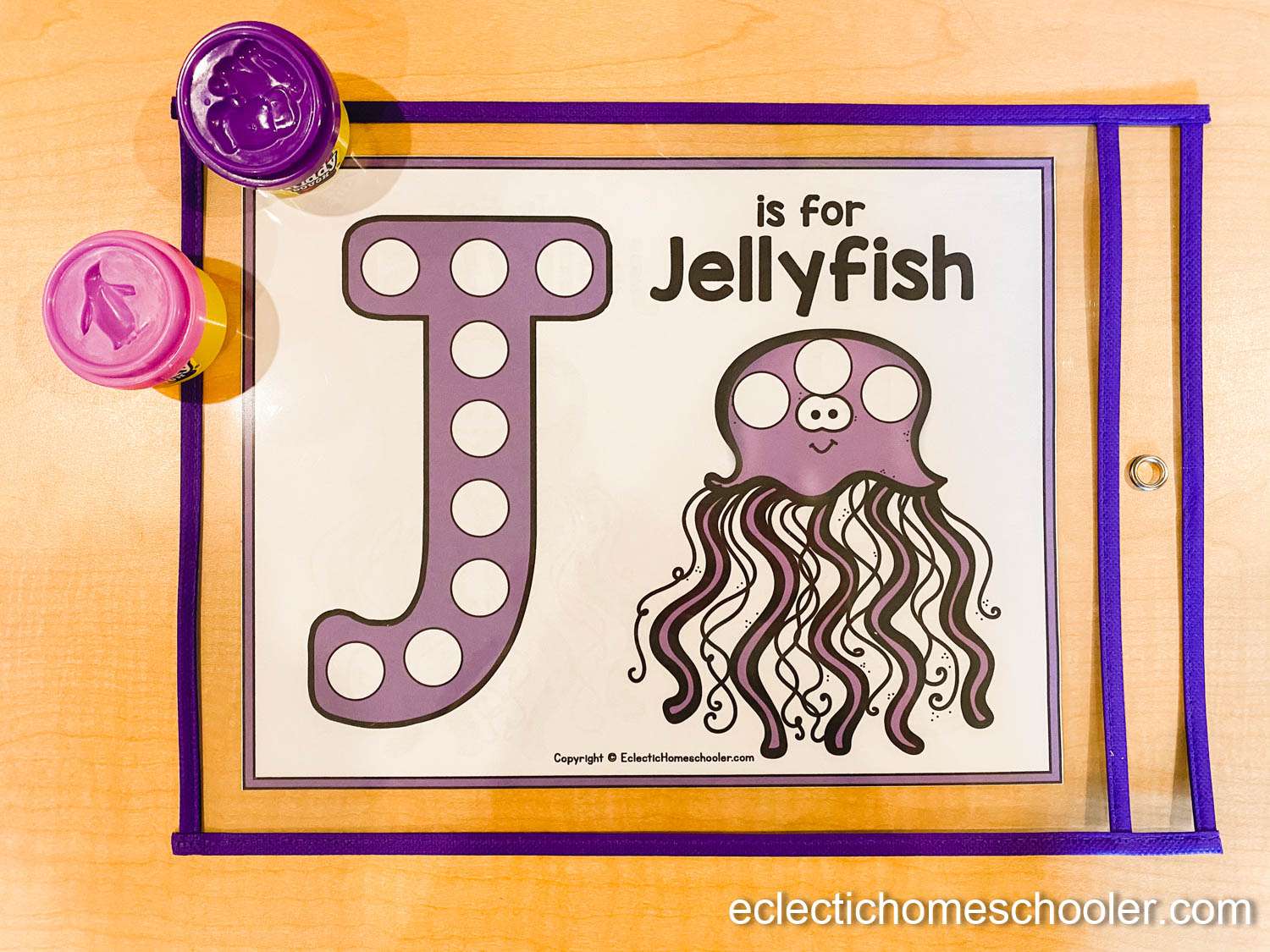
Letter J Printable Dot Page With Play Dough Balls

You could also stick your worksheet into one of these awesome dry-erase pockets. No laminating necessary! And they come in so many colors so you can color-coordinate if you’re focusing on a particular color for the week or just a little bit OCD like me! 🙂

After you stick them in the pocket you can do really anything you could with a laminated sheet. But one great idea is to have your child place balls of play dough into each dot. This is an excellent fine motor activity and kids always love playing with play dough.

  • Letter J Do a Dot Printable With Play Dough Balls
  • Letter J Do a Dot Printable With Play Dough Balls

And if you’re wondering about those miniature tubs of play dough, you can grab them here. They are the perfect size for these little activities and come in SO MANY colors. I keep them in a separate place away from our regular play dough and pull them out for activities like this. That way they don’t get mixed together or dried out.

Letter J Do a Dot Page With Counting Chips

Another option is to go ahead and laminate your letter J printable dot page for durability and longevity. Then you can extend the activities even further. As an example you can  have your child place colored counting chips on each dot. It’s another great option for one-to-one correspondence and fine motor practice.

  • Letter J Do a Dot Pages with Counting Chips
  • Letter J Do a Dot Pages with Counting Chips

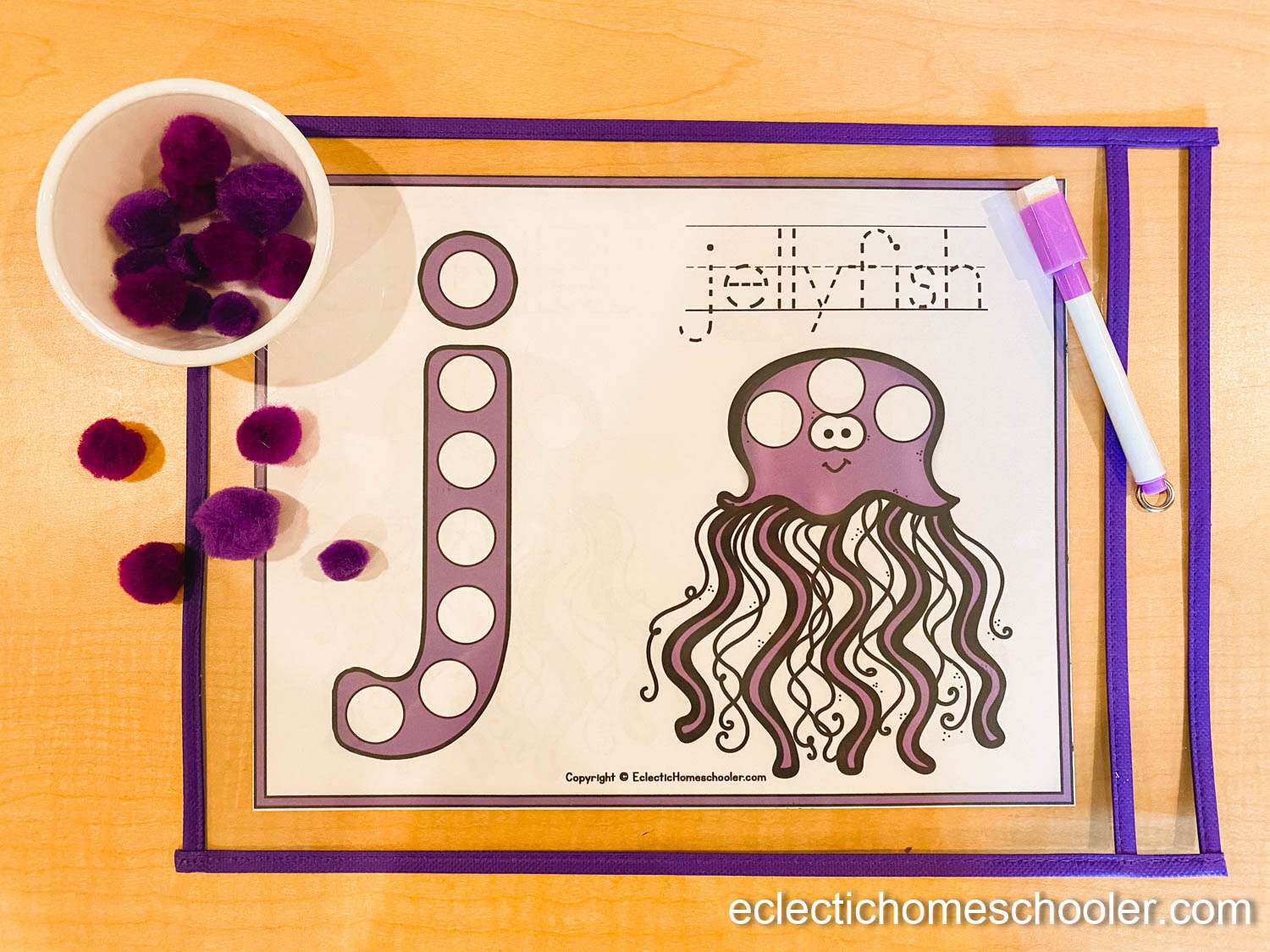
Letter J Dot Page With Pom Poms

If you don’t have do-a-dot markers, or play dough that isn’t dried out, or counting chips, there are still lots of things you can use with your letter J do a dot printable. One thing that you more than likely have on hand (if you’re a parent) is pom poms! And these are the perfect size for using with dot pages. Simply have your child move the pom pom from a cup or bowl to the page. You can make it even more challenging (if desired) by having them use tongs to move the pom poms too!

  • Letter J Do a Dot Pages with Pom Poms
  • Letter J Do a Dot Pages with Pom Poms

Grab Your Letter J Free Printable Do a Dot Pages

Now that you’re loaded up with ideas on how to use the free letter J printable with your child, let’s get to it! Click the button below to download, print, laminate (if desired), and enjoy!

To get your free printable, CLICK HERE

Looking for more alphabet do a dot printables? You can view the previous letter I printable dot pages here, and the next letter K printable dot pages here.

Filed Under: Alphabet, Pre-k, Preschool, Toddler Tagged With: Do a Dot Pages, Letter J

  • « Go to Previous Page
  • Go to page 1
  • Interim pages omitted …
  • Go to page 7
  • Go to page 8
  • Go to page 9
  • Go to page 10
  • Go to Next Page »

Primary Sidebar

Recent Posts

  • Free Letter Q Printable Do a Dot Pages
  • Free Letter H Printable Do a Dot Pages
  • Letter L Books
  • L is For… Things That Start With L for Preschool
  • U is For… Things That Start With U for Preschool

Categories

  • Book Lists
    • Character Training
    • Holidays
    • Letters
    • Science
    • Seasons
    • Themes
  • Grades
    • 1st Grade
    • 2nd Grade
    • 3rd Grade
    • 4th Grade
    • Family (Multi-Age)
    • Kindergarten
    • Pre-k
    • Preschool
    • Toddler
  • Homeschooling Methods
    • Unit Studies
  • Homeschooling Tips
    • Homeschooling 101
  • Subjects
    • Alphabet
    • Art
    • Character Training
    • Nature
    • Phonics
    • Reading
    • Science
    • Spelling
  • Themes
    • Animals
    • Holidays
    • Nature
    • Places
    • Science
  • Uncategorized

Copyright © 2026 Eclectic Homeschooler